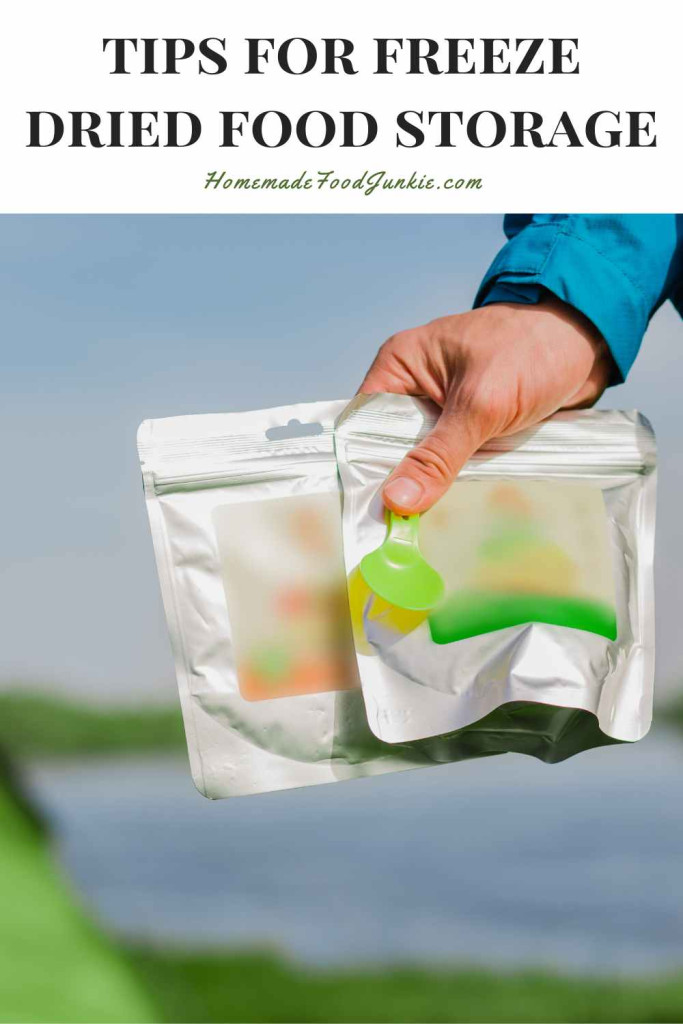
Freeze Dried Food Storage Tips for Short and Long Term Storage
As an Amazon Associate and member of other affiliate programs we earn a small commission from qualifying purchases through our affiliate link. For more information read our Entire Affiliate Disclosure.
Freeze drying gives home preservers an entirely new range of foods to put by, with storage options that can fit surprisingly well into the pantry system you already have.
Most experienced home food preservers already have good ways to put food by. We can, freeze, dehydrate and ferment foods using methods that have served home kitchens for generations. We also have the jars, freezers, shelves and storage systems those methods require.
So where does freeze dried food storage fit into the equation?
The good news is that adding freeze dried foods can make managing the family food supply more useful and flexible—not more complicated.
Properly freeze dried and stored foods offer some unique advantages:
- Time and labor savings. For some foods, freeze drying reduces hands-on harvest-season processing.
- More preservation options. Foods can be stored whole, chopped, powdered, cooked or incorporated into prepared meals before freeze drying.
- Long shelf life without continuous electricity. Properly freeze dried food can remain shelf stable for years without taking up freezer space.
- Easy access when you need it. There is no thawing or freezer moisture to deal with. Some foods can be eaten straight from storage, while others can be rehydrated or added directly to recipes.
- More ways to manage a large harvest. Garden produce can become long-term food stores, dry cooking ingredients, snacks, sauces or prepared foods.
- Foods other preservation methods don’t handle quite the same way. Cooked meats, complete meals, fruits, seasoned vegetables and treats such as freeze dried cheesecake and candy can all find a useful place in the family pantry.
- Lightweight, convenient food. Freeze dried foods can be useful for lunchboxes, camping, travel, emergency supplies and everyday cooking.
And most of the time, freeze dried food storage can fit into the larder you already have.
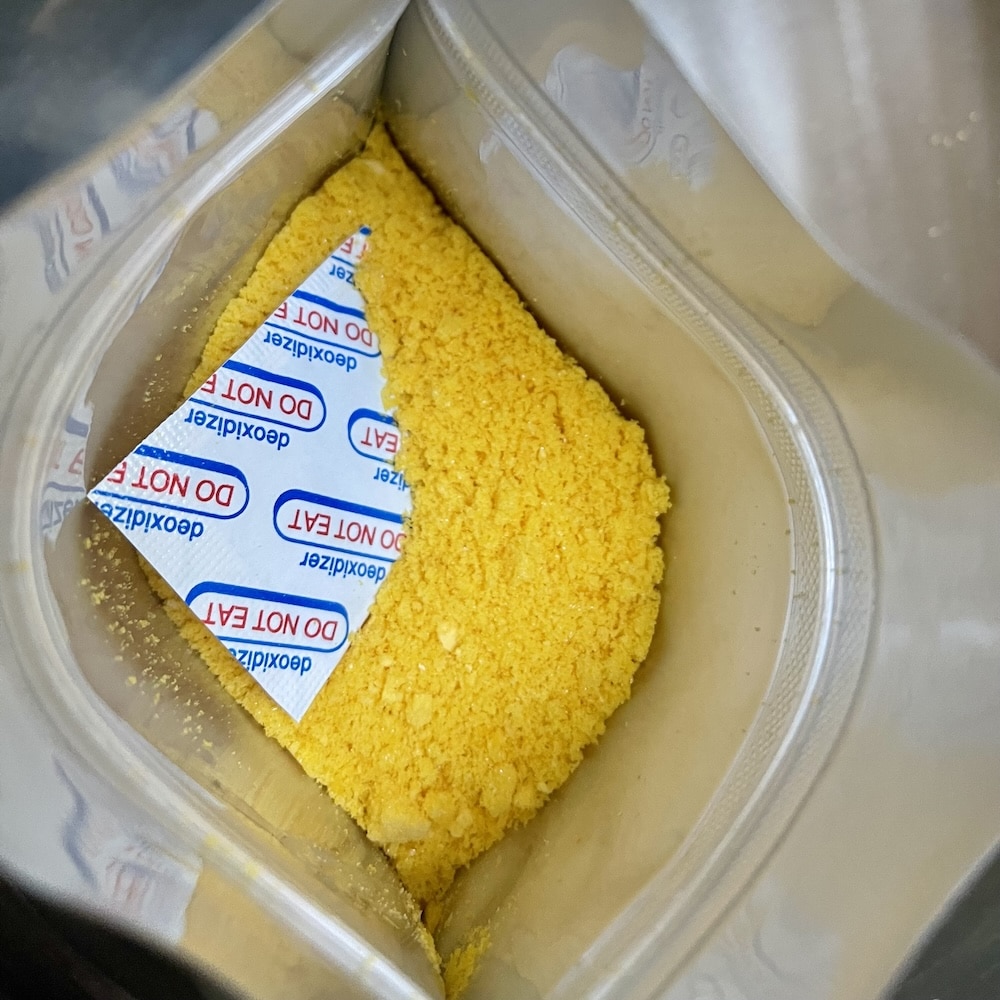
Food intended for years of emergency or deep storage needs high-barrier packaging and careful protection. Foods you expect to use sooner may fit perfectly well into Mason jars on the cool, dark pantry shelves you already use for home preservation. Frequently used ingredients and family snacks can live in smaller airtight containers where they’re easy to grab, cook with and replace.
That means you can match the storage investment to the food—how long you expect to keep it and how your family will use it.
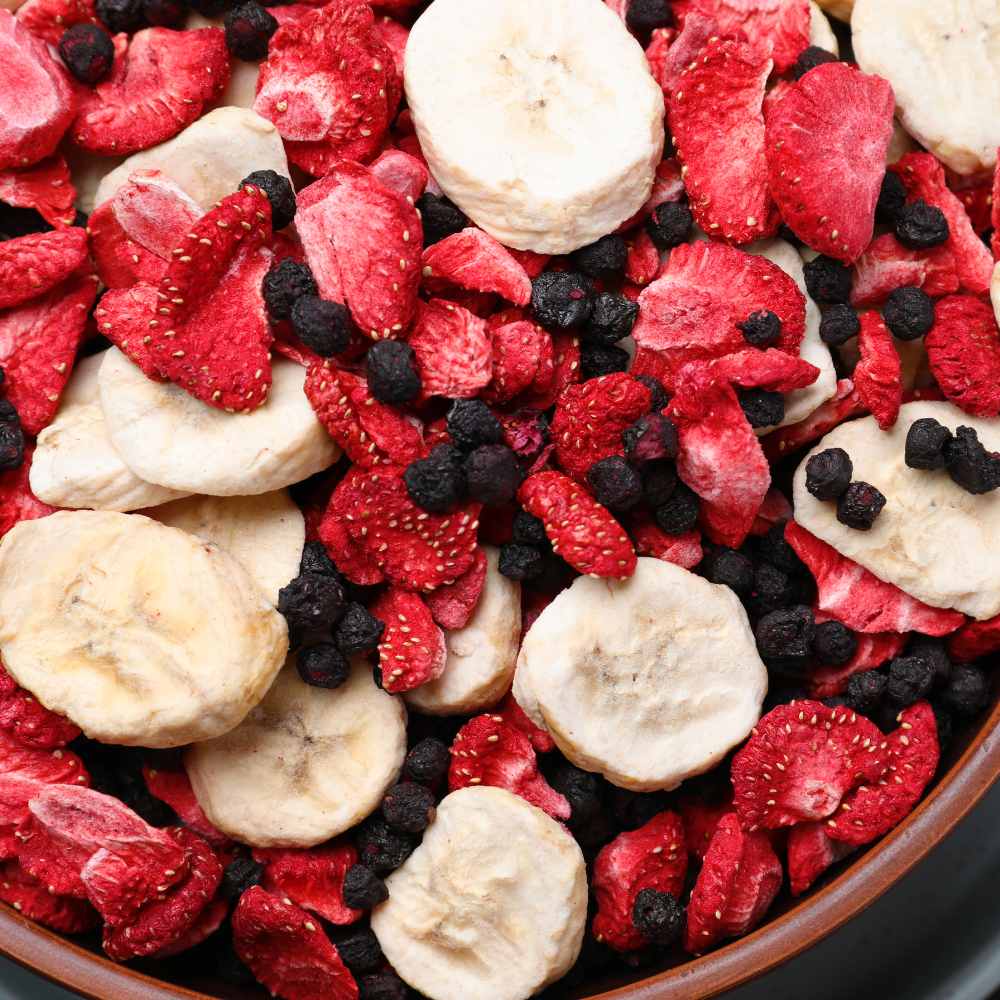
You don’t need an expensive Mylar bag and oxygen absorber for banana chips your family will finish next week. But food you intend to protect for years shouldn’t be packaged like a short-term pantry snack.
The goal of a good freeze dried food storage system is the same as other preservation methods: protect the food appropriately until your family is ready to use it.
From Freeze Dryer Tray to Storage: The Basic Process
The foods we freeze dry may be very different, but the basic workflow from fresh food to protected storage is surprisingly consistent.
Following the same general process for every batch makes freeze drying easier to manage and helps prevent important steps from being forgotten.
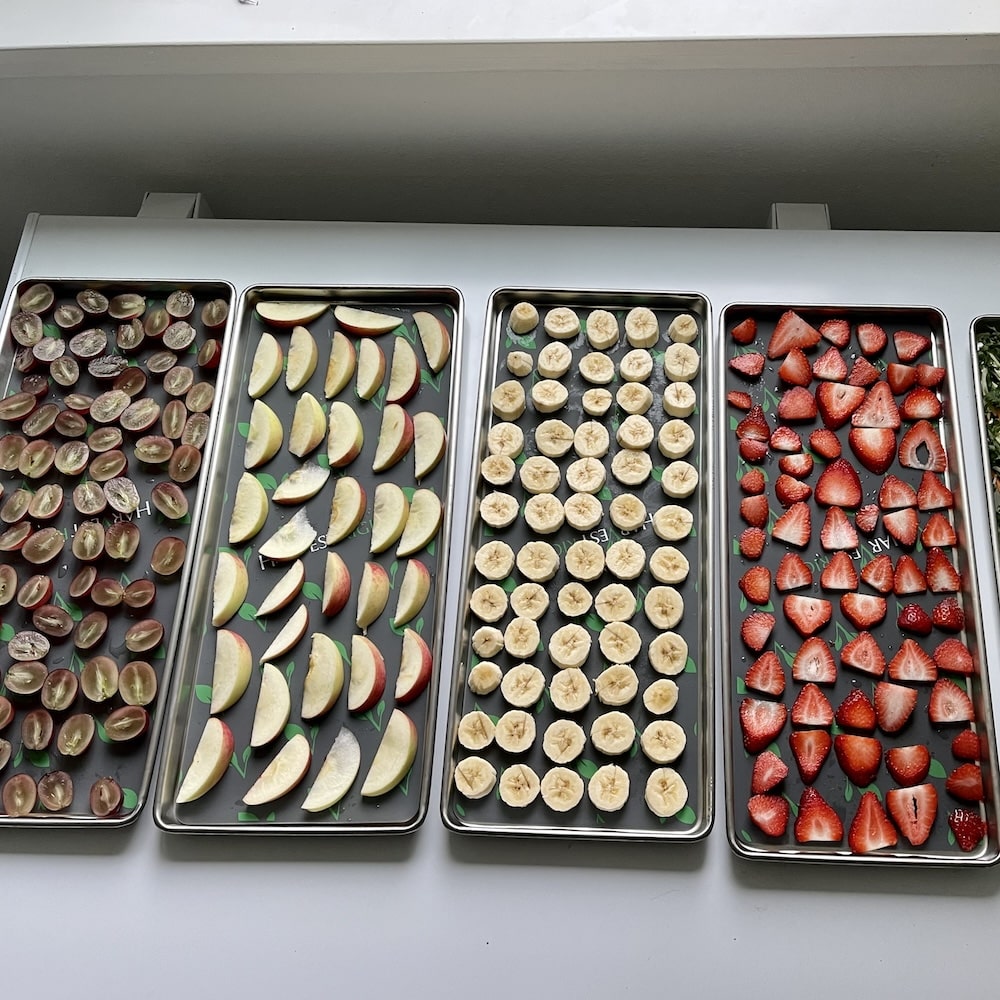
Step 1: Decide How You’ll Use the Food, Then Prep It for Freeze Drying
Before loading the trays, think about what you want the food to become when it comes back out of storage.
That decision can affect how you prepare it.
Take garden peppers. When I prepare roasted peppers for the freezer I cut them, deseed them and place them face down on a baking sheet, roast, steam and peel them before freezing. Freeze drying gives me simpler options. I can stem and seed the peppers and freeze dry larger pieces, cut them into smaller pieces, or chop them in a food processor to make a convenient dry ingredient for soups, stews and other dishes.
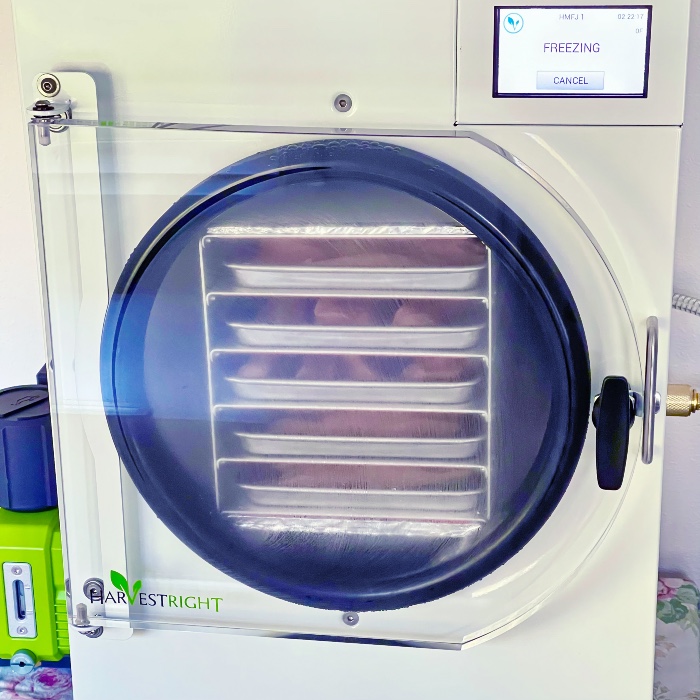
And the freeze dryer does much of the work. Once the trays are prepared and the machine is running, most of my hands-on work is finished until it’s time to check and package the food.
During a busy harvest season, that can be a real advantage.
Home preservers know that ripe food doesn’t always arrive on our schedule. The garden may suddenly be producing faster than we can keep up, or someone may hand us a box of perfectly ripe produce that needs attention now.
Freeze drying gives us one more preservation option when we’re deciding where to spend our time, canner capacity and freezer space.
But experienced preservers also know to ask:
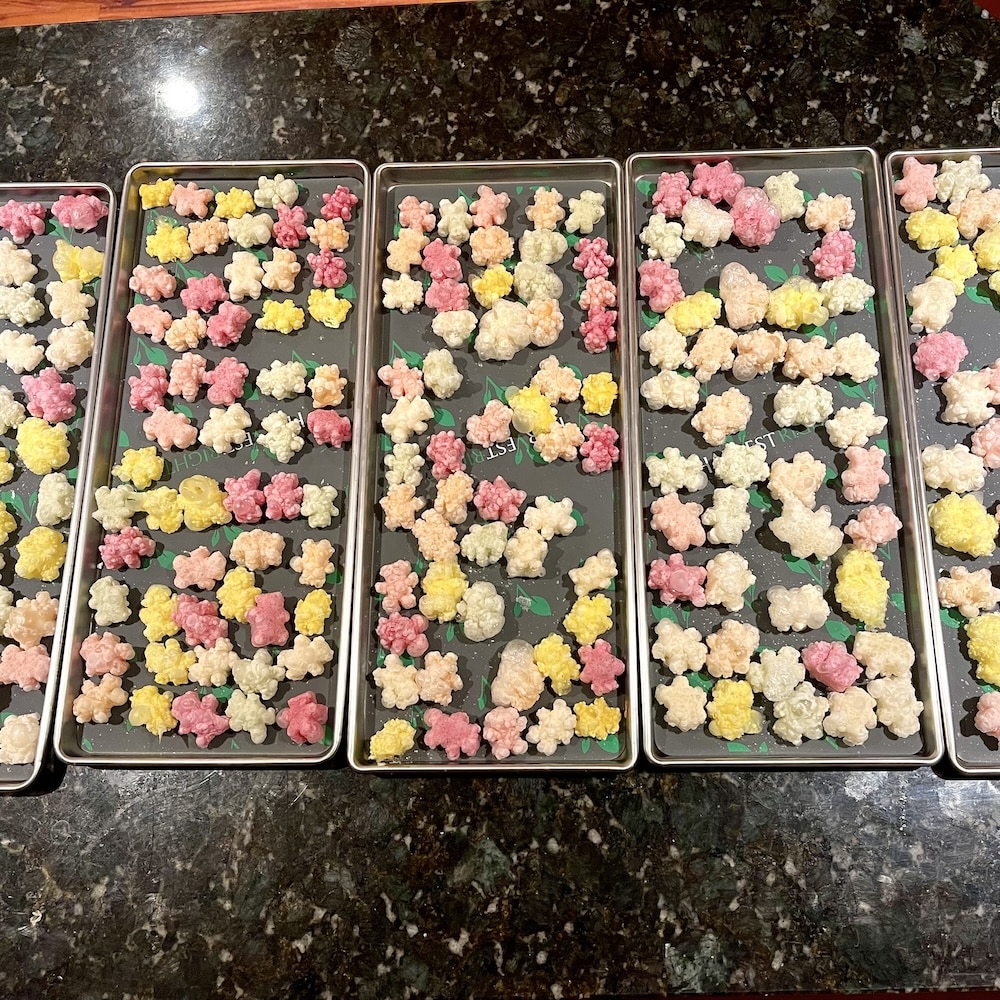
Will my family actually eat it?
Experiment with smaller batches until you know which foods your family enjoys freeze dried, which are better rehydrated and which become useful ingredients in meals you already cook.
The important question is:
How do I want to use this food after storage?
That answer can help determine how you prepare it before freeze drying—and whether freeze drying is the right method for that food in the first place.
Step 2: Record Rehydration Information When You’ll Need It Later
For foods you may eventually want to restore close to their original consistency—such as purees, sauces and complete meals—weigh the prepared food before freeze drying and record the weight.
After freeze drying, weigh it again.
The difference gives you a useful estimate of how much water was removed from that batch.
For example:
1,000 g prepared pumpkin puree before freeze drying
− 100 g finished freeze dried pumpkin
= approximately 900 g water removed
That gives you a practical starting point when you want to restore the pumpkin later.
You don’t need to do this with every banana chip or snack food. Record it when knowing the original hydration will help you use the food later.
We’ll explore restoration ratios and cooking with dry ingredients in our future guide to Rehydrating and Cooking With Freeze Dried Foods.
Step 3: Make Sure the Food Is Adequately Dry
If you already preserve food at home, you understand that every preservation method has its own food-safety rules. Freeze drying is no different.
The central rule is simple:
The food must be adequately dried before it is packaged, and it must remain dry during storage.
Freeze drying is not a sterilization process. According to the University of Minnesota Extension’s guide to home freeze drying, disease-causing microorganisms can survive freeze drying.
For home preservers, the practical rule is:
Dry it adequately. Check your work. Then keep it dry.
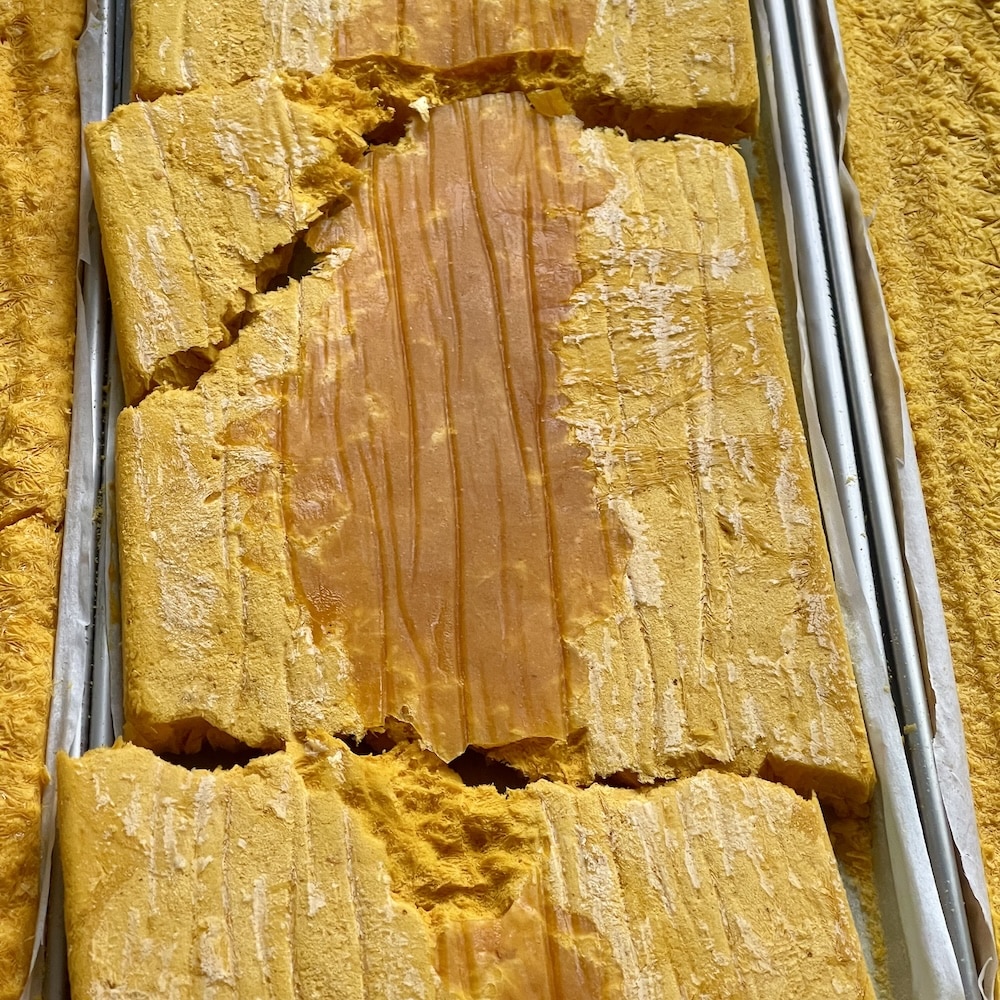
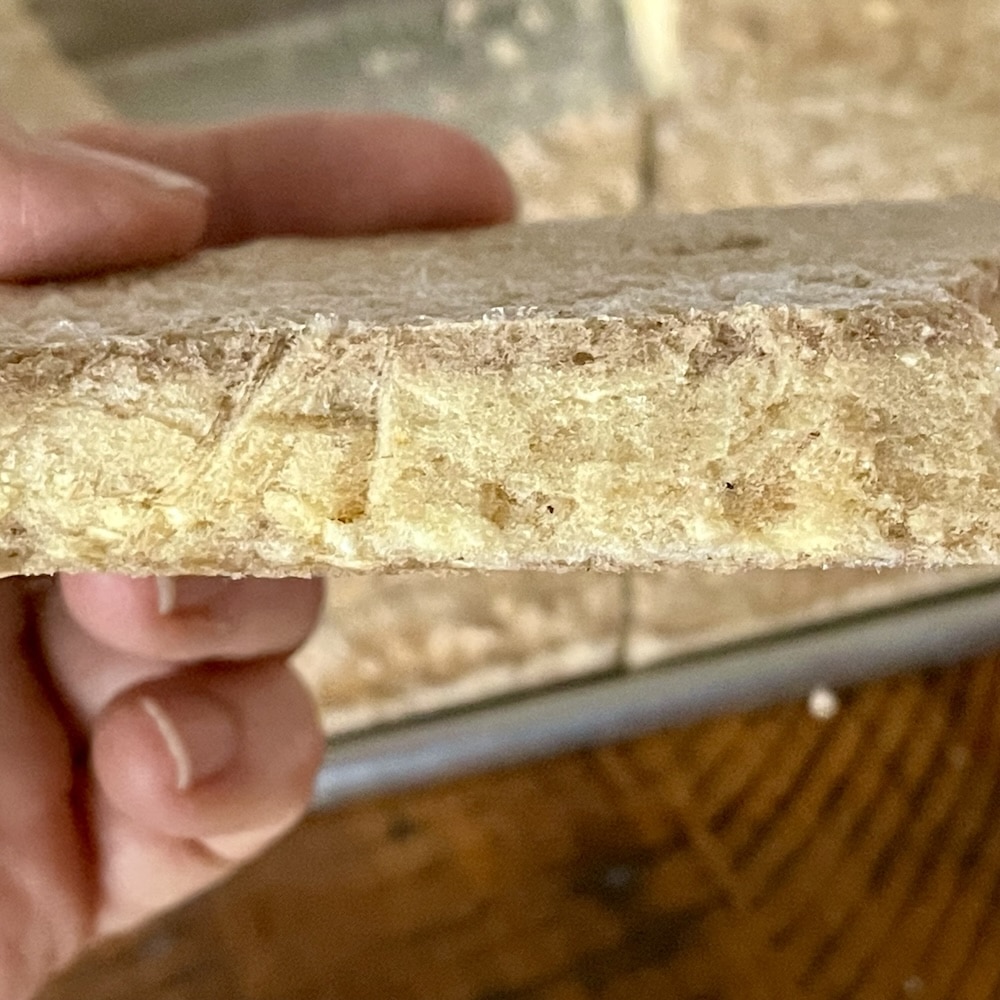
When your freeze dryer completes its cycle, inspect the food before packaging. Home loads are not perfectly uniform, so check several areas and pay particular attention to thick, dense or large portions. Cut or break those foods open and look for unexpected cold, damp, soft or gummy areas.
If you are uncertain, add more drying time rather than packaging questionable food for room-temperature storage.
We’ll cover water activity, uneven loads, cold spots and determining adequate dryness in our future Freeze Drying Food Safety guide.
Step 4: Choose the Container and Prepare Your Packaging Area
Before unloading the machine, decide where the food is going.
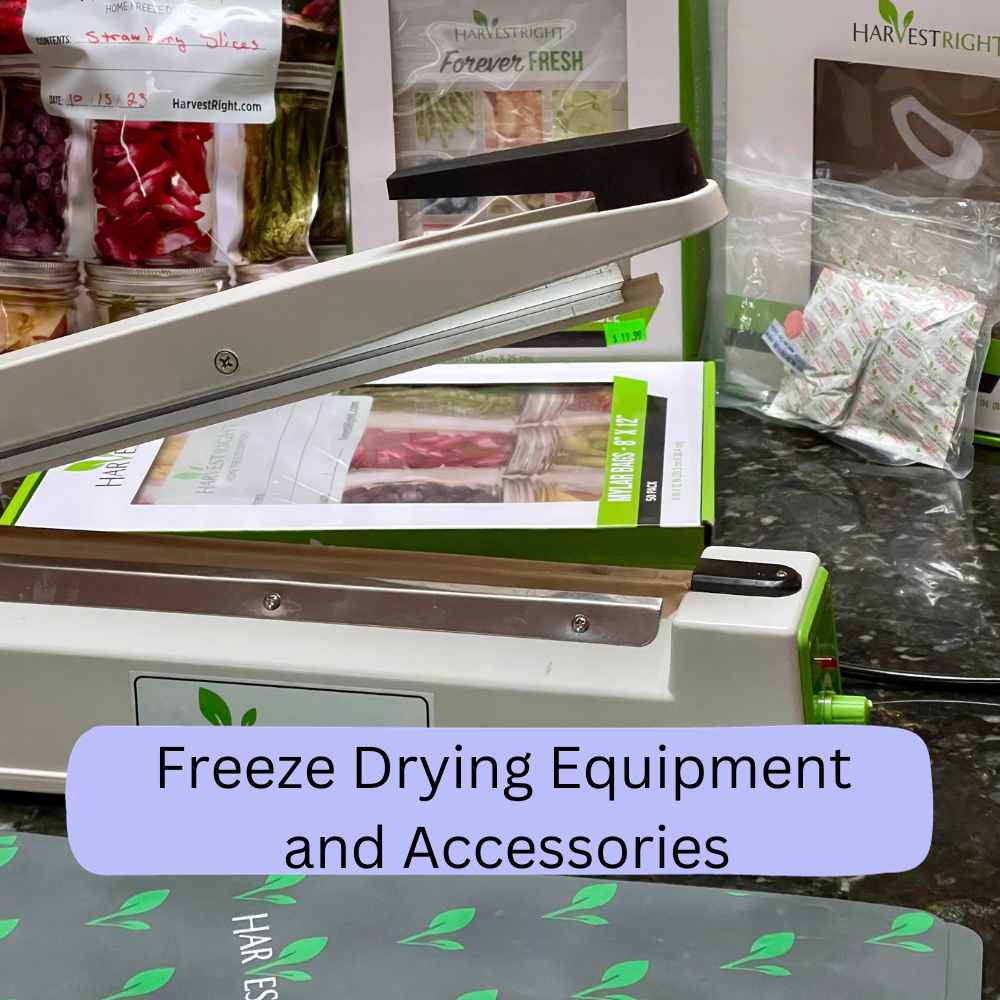
A batch your family will eat within a few weeks may go into a convenient airtight pantry container. Food you’ll rotate through your larder may be well suited to sealed Mason jars. Food intended for extended or emergency storage may warrant high-barrier Mylar, oxygen control and protective secondary storage.
Have everything ready before exposing the finished food to room air:
- clean, completely dry containers or bags
- clean, dry work surfaces and utensils
- sealing equipment
- oxygen absorbers or desiccants when appropriate
- labels and a permanent marker
- recorded pre-drying weight, if applicable
Wash and thoroughly dry your hands. Clean, dry disposable food-handling gloves are another option; change them if they become wet, soiled or contaminated.
This matters particularly in humid conditions because very dry food readily absorbs moisture from surrounding air.
Step 5: Package the Food Promptly
Once you are satisfied that the food is adequately dry, move it into its container and minimize unnecessary exposure to room air.
Don’t unload the trays and then leave the food sitting on the counter while you search for jars, labels or a sealer.
Work efficiently, fill appropriately sized containers and keep everything clean and dry.
Once you’ve removed the moisture, don’t give the food an unnecessary opportunity to take it back.
Step 6: Add Oxygen or Moisture Control When Appropriate, Then Seal
Oxygen absorbers and desiccants are not interchangeable, and they are not required for every storage situation.
An oxygen absorber reduces oxygen inside suitable sealed packaging and can help protect food from oxidative deterioration during longer storage.
A food-safe desiccant helps manage moisture and may be useful in certain applications, particularly foods repeatedly exposed to humid air after opening.
Neither substitutes for adequate freeze drying.
Seal the food using the method appropriate for the container: heat-seal compatible Mylar, vacuum-seal an appropriate Mason jar, or securely close an airtight container intended for shorter-term pantry use.
Then check the seal before putting the food away.
For more detail, see our guides to Oxygen Absorbers and Silica Gel Packets for Food Storage.
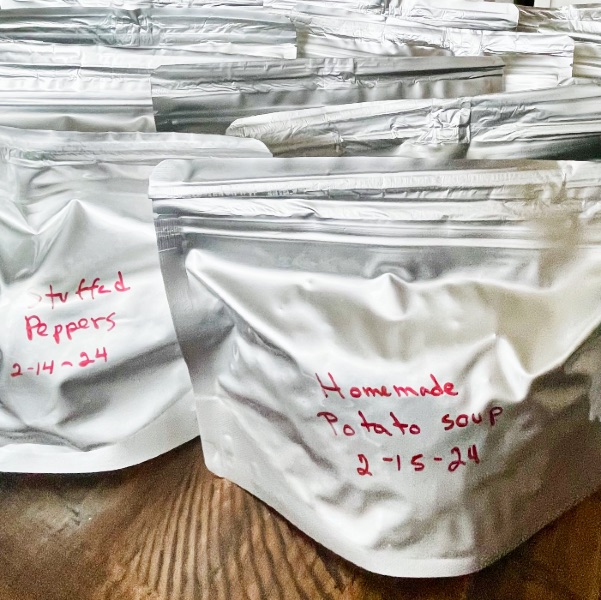
Step 7: Label for the Person Who Will Eventually Use the Food
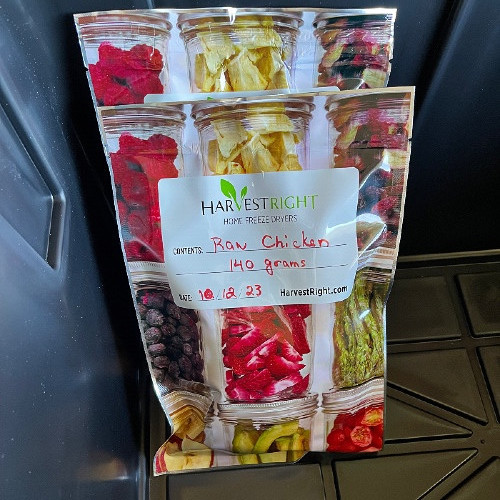
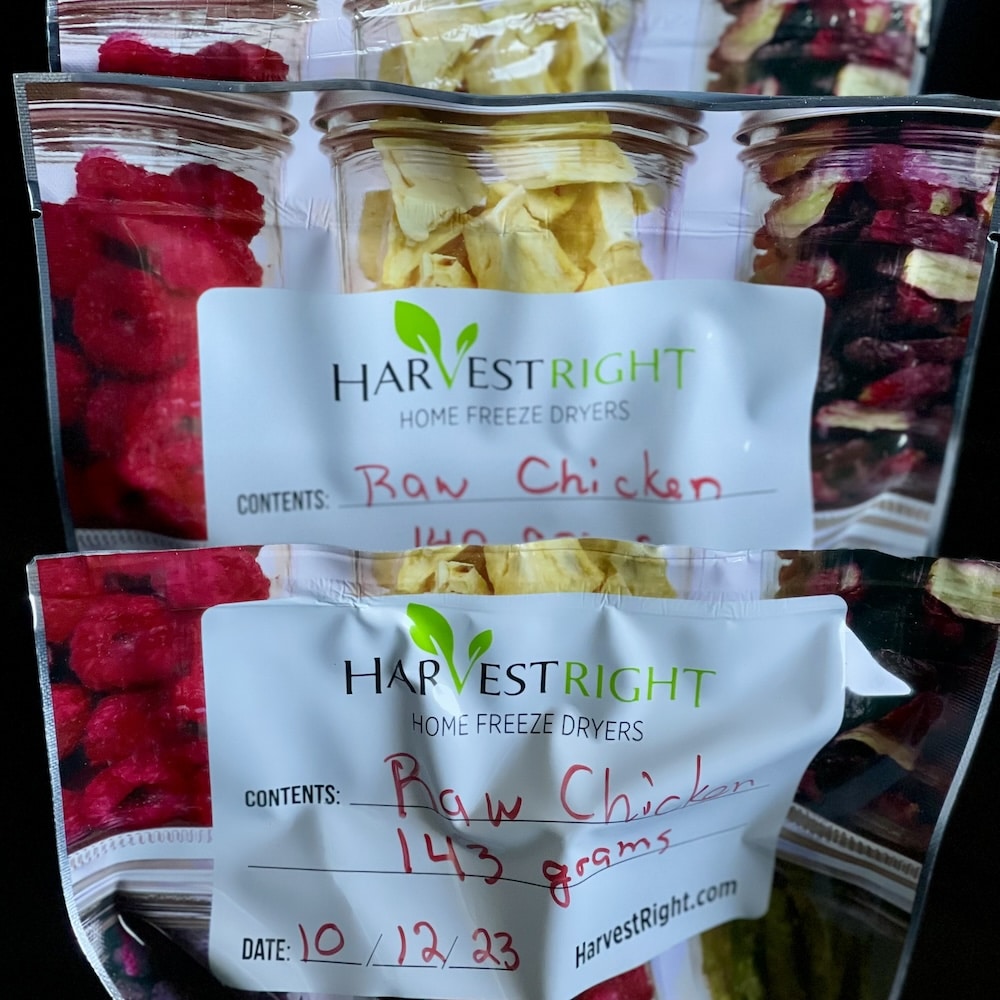
At minimum, label the package with:
- what the food is
- the date it was freeze dried or packaged
- useful batch information(including if meat was packed raw or cooked)
But think beyond identification.
If you’ve preserved something specifically for cooking, add information that will help you use it later: Peppers—soups and stews, for example.
For foods you weighed before processing, record the restoration information on the package or in a storage record.
Future-you shouldn’t have to open an unidentified powder three years from now and wonder what it is, how much water it needs or what you intended to make with it.
Step 8: Move the Food Into Appropriate Storage
Don’t stop at the sealed package.
Move the food into the environment appropriate for its intended storage life.
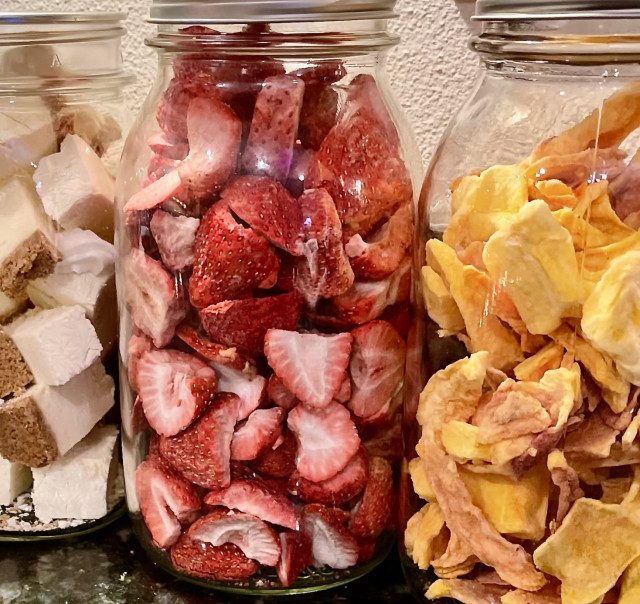
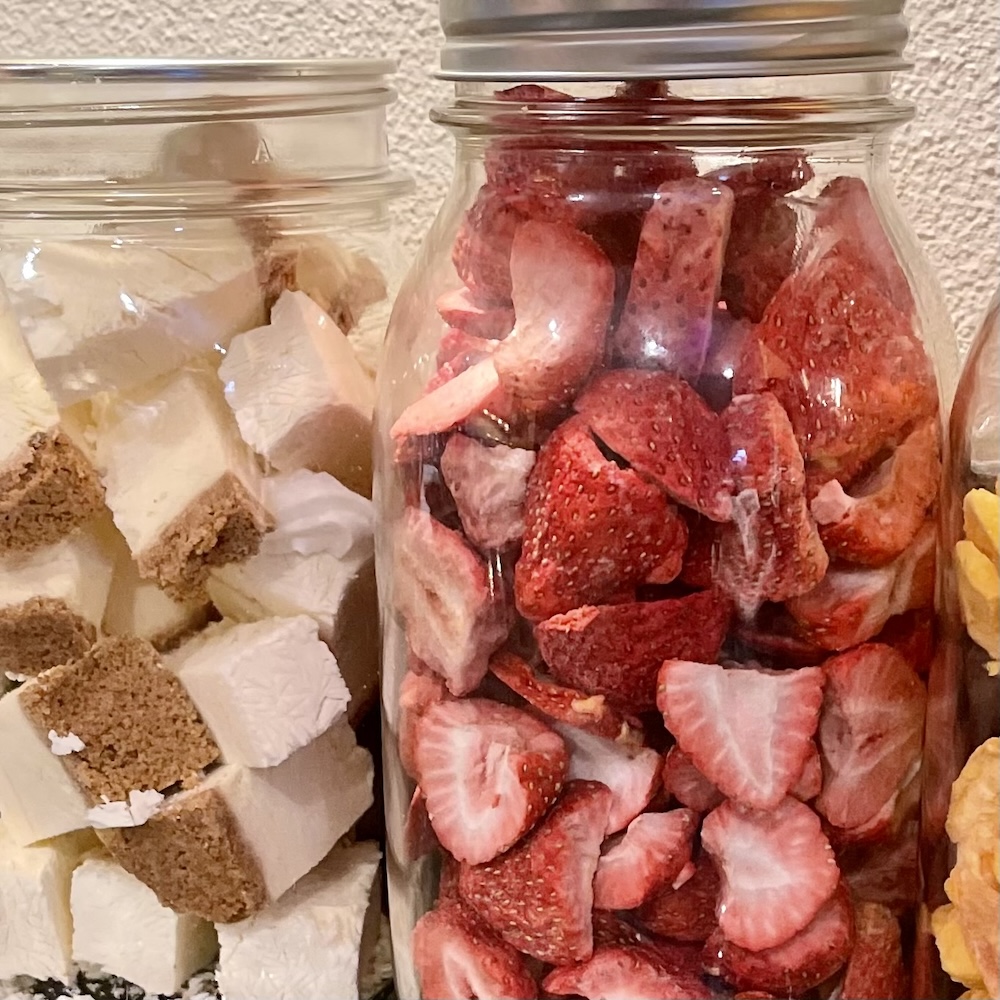
That may mean a jar on existing pantry shelves, an airtight container in the working kitchen or Mylar packages protected inside a sturdy tote for deep storage.
Now we can make the larger storage decisions:
How long do you want this food to last, what threatens it during that time, and which packaging system provides the protection it actually needs?
How Long Does Home Freeze Dried Food Last?
You’ve probably seen commercially freeze dried emergency foods advertised with 20- or 25-year shelf lives. Those claims are one reason many people become interested in freeze drying.
But commercial shelf-life claims shouldn’t automatically be applied to foods freeze dried at home.
Home freeze drying is still a relatively young food-preservation practice. We simply have not had widespread consumer freeze dryers operating in home kitchens long enough to observe and test decades of home-produced foods under all the different conditions in which people process, package and store them.
Commercial freeze dried foods are produced using standardized ingredients, preparation, processing and packaging under controlled conditions. Home-preserved foods are much more variable.
For that reason, there isn’t one scientifically established shelf-life number that can be guaranteed for every home freeze dried food.
Current Utah State University Extension guidance says properly freeze dried foods in appropriate airtight, moisture-proof packaging and cool, dark, dry storage can remain stable for many years. However, it recommends that home freeze dried foods be consumed within about five to ten years because quality and nutritional value decline during storage.
For our home pantry, I think of that five-to-ten-year period as a sensible rotation target rather than a guaranteed expiration date.
Some properly processed and packaged foods may remain acceptable considerably longer. Others—particularly foods containing substantial amounts of fat—may lose desirable quality sooner.
As home freeze drying matures and more long-term research becomes available, recommendations may become more precise.
Shelf Stable Doesn’t Mean Unchanged
Food safety, eating quality and nutritional value aren’t exactly the same thing.
A food may remain shelf stable while gradually losing flavor, color, texture or some sensitive nutrients.
That’s another reason I prefer a working rotation system rather than automatically storing every food for the maximum theoretically possible time.
Freeze dry it. Store it properly. Use it. Learn how well it performed. Then replace it with newer food.
What Threatens Freeze Dried Food in Storage?
Once food is properly dried and packaged, four environmental threats matter most.
Moisture
Moisture is freeze dried food’s Achilles’ heel.
Very dry food readily absorbs moisture from surrounding air. Powders may clump, crisp fruits become chewy and vegetables soften.
More importantly, sufficiently low available water is fundamental to the shelf stability of properly freeze dried food.
Keep packages dry and protect them with dependable moisture barriers and seals.
Oxygen
Oxygen contributes to oxidation, which can gradually damage flavor, aroma, color, fats and oxygen-sensitive nutrients.
Foods containing substantial amounts of fat are particularly susceptible to oxidative rancidity.
Oxygen absorbers can help reduce residual oxygen in appropriate sealed packaging.
But remember:
An oxygen absorber protects properly dried food. It does not make inadequately dried food safe. Utah State University Extension also emphasizes that vacuum packaging itself is not a food-safety process. Removing oxygen does not compensate for food that still contains too much available moisture.
Light
Light can contribute to deterioration in pigments, flavor and light-sensitive nutrients.
Clear Mason jars should therefore be stored in a dark location for extended storage.
Opaque high-barrier Mylar provides its own light protection.
Heat
Cool, stable temperatures generally preserve stored food quality better than prolonged heat or large temperature fluctuations.
Utah State University Extension’s food storage guidance recommends approximately 40°F to 70°F for general food storage and notes that higher temperatures accelerate quality and vitamin losses.
Tip: Root cellars, basement store rooms and insulated cold rooms in your home, garage or shop are recommended if your local temperatures get seasonally extreme. Longterm freeze dried food storage is optimal when the temperatures are relatively cool and stable.
Before Buying More Packaging, Take Inventory of What You Already Own
Freeze drying requires a substantial investment in equipment and energy. Don’t automatically add unnecessary packaging and equipment costs.
Experienced preservers may already own:
- Mason jars and canning lids
- canning shelves
- vacuum sealers
- jar vacuum attachments
- chamber sealers
- sturdy buckets or storage totes
Some freeze dryers are sold with branded Mylar bags, oxygen absorbers and an impulse sealer. That’s convenient, but it doesn’t mean those supplies are exclusive to that machine.
Don’t start with a shopping list. Start with the storage job and determine whether equipment you already own can do it safely.
Choose Storage According to How You Will Use the Food
There isn’t one best storage container for every freeze dried food.
Your intended storage period, the food itself, available space and how your family will use it should determine the package.
Short-Term and Working-Pantry Storage
You don’t have to keep freeze dried foods you plan to eat within a few weeks in expensive long-term Mylar bags or constantly vacuum-resealed Mason jars.
This can open up a whole new way of using your freeze dryer.
If your family loves freeze dried banana chips, seasoned vegetables or other snacks, keep a fresh supply readily available. The same applies to dry ingredients you regularly pull from the pantry for cooking.
For short-term storage, the goal is simple:
Keep properly freeze dried food dry, limit its exposure to air and light, and use smaller airtight containers you can reasonably empty.
Good options include:
- Mason jars
- glass containers with tight gasketed or locking lids
- good-quality rigid plastic food-storage containers with airtight gasketed lids
Whatever container you choose, keep it clean and completely dry and close it promptly after each use.
Smaller containers can be useful because you expose less food to humid room air each time you open one.
Can I Reuse Commercial Food Jars?
Clean, completely dry commercial food jars with dependable tight-fitting lids can be useful for short-term dry pantry storage.
For multi-year storage, I prefer standardized Mason jars and closures whose seals I can establish and verify.
Once You Rehydrate It, Treat It Like Fresh Food
This short-term pantry guidance applies while the food remains dry.
Once you rehydrate a perishable freeze dried food—such as prepared salsa—treat it like the equivalent fresh food. Refrigerate it promptly and use it within an appropriate period.
Mason Jars for Rotational and Longer Storage
Glass offers several significant advantages.
Jars are reusable. Many home preservers already own them. Glass provides an excellent physical barrier against environmental moisture and oxygen when appropriately sealed.
And jars provide something flexible bags cannot:
physical protection for fragile freeze dried food.
I have experienced this with foods such as freeze dried green beans. Extremely dry foods can become brittle. Mylar bags may protect the food from the environment while the food itself becomes crushed as bags are stacked, shifted and handled in storage totes.
A rigid jar protects delicate food from that handling.
The disadvantages are equally real.
Jars are heavy, breakable and space-consuming. Clear glass does not protect food from light.
For a canner who already owns jars and dark storage shelves, however, the economics can be very attractive.
Arizona Cooperative Extension’s home freeze drying guidance identifies appropriately sealed canning jars as an option for medium- or long-term freeze dried food storage.
Mylar for Deep and Long-Term Storage
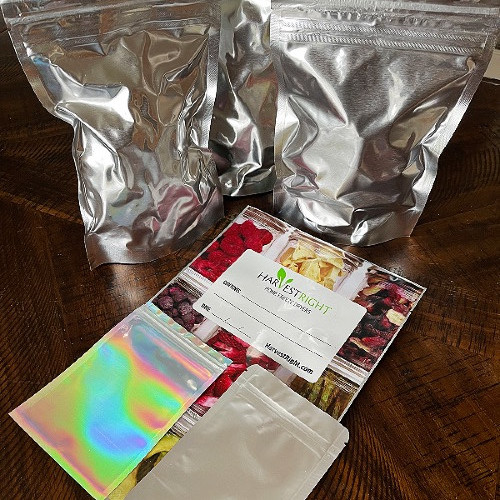
Good high-barrier Mylar bags are lightweight, compact and opaque.
They are particularly useful when storing large quantities of food efficiently and can be placed in sturdy buckets or totes for additional physical and pest protection.
For long-term freeze dried food storage, look for food-safe, opaque, high-barrier bags designed for extended dry-food storage.
Utah State University Extension currently recommends 5- to 7-mil Mylar bags without clear windows for long-term freeze dried food storage.
Thickness isn’t the only consideration. Barrier properties and the integrity of your final seal matter too.
Avoid assuming that every metallic-looking pouch marketed as “Mylar” provides equivalent protection.
Bigger Bags Aren’t Always Better
Package according to how you eventually expect to use the food.
A large bag may cost less per pound of food stored, but once you open it, the entire contents are exposed to fresh air and humidity.
Small pint, half-pint or even smaller Mason jars can be particularly useful for ingredients you use a tablespoon or two at a time, such as pepper powder, dried herbs or spice blends.
Another option is to use Mylar for deep storage and transfer the remaining food into clean, dry jars after opening the package.
Your deep-storage container and working-pantry container don’t have to be the same thing.
Can I Use My Existing Vacuum Sealer?
Possibly.
The important distinction is this:
Removing air and creating a long-term oxygen and moisture barrier are not necessarily the same thing.
Penn State Extension’s freeze drying guidance notes that conventional plastic vacuum-sealer bags can allow oxygen and moisture transmission over time.
If you already own sealing equipment, investigate compatible packaging before purchasing something redundant.
| Equipment | Useful For | Important Limitation |
|---|---|---|
| Impulse sealer | Heat-sealing compatible Mylar | Does not remove air |
| External vacuum sealer | Compatible channel bags and some specialty high-barrier bags | Ordinary vacuum bags are not automatically long-term barriers |
| Chamber vacuum sealer | Compatible smooth and high-barrier pouches | Bag properties still determine long-term protection |
| Jar vacuum attachment | Compatible Mason jars | Clear jars still require protection from light |
We’ll explore these systems more thoroughly in our future guide to Vacuum Sealing Freeze Dried Food.
What About Freeze Dried Food Powders?
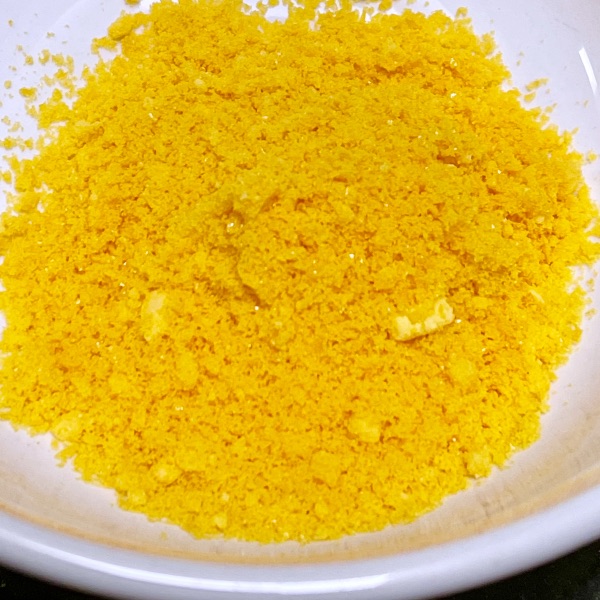
Powdering appropriate freeze dried foods such as pumpkin, squash, tomatoes, sourdough starter, eggs or bananas can dramatically reduce storage space.
Powders can also become extremely useful pantry ingredients.
But they are particularly vulnerable to humidity and clumping, so package them promptly in appropriately sized moisture-resistant containers.
We’ll cover powdering, rehydration ratios and cooking with freeze dried ingredients in our upcoming guide to Using and Rehydrating Freeze Dried Foods.
Protect Stored Food From Pests and Physical Damage
Long-term storage means protecting the package as well as the food.
Rodents can chew through flexible packaging. Bags can be punctured. Glass can break.
Keep storage areas clean and periodically inspect them for pest activity, damaged packages and failed seals.
Store food off the floor on sturdy shelving or in appropriate secondary containers.
Mylar packages may benefit from sturdy totes or buckets that protect them from rodents, punctures and repeated handling.
Glass jars should be stored on stable shelving and protected from breakage.
The sealed jar or high-barrier package protects the food. The tote, bucket or shelving protects the package.
Build a Freeze Dried Food Supply Your Family Will Actually Use
Long shelf life is one of freeze drying’s great advantages.
But maximum shelf life doesn’t have to be the goal.
Freeze drying doesn’t have to win every preservation contest to earn a useful place in the home kitchen.
Some foods may still be better frozen.
Some are wonderful canned.
Others dehydrate beautifully.
And some become exceptionally useful when freeze dried.
The texture matters too. Freeze dried apples, peaches and other fruits have a light, airy or crunchy texture when eaten dry. Some people love it. Others prefer the juicy texture of canned, frozen or fresh fruit.
Try foods before committing large quantities of time, electricity, packaging and storage space to them.
Food that consumes the original ingredients, electricity, machine time, packaging supplies and storage space—but then sits untouched because nobody knows how to use it—has become a stranded investment.
So as you rotate freeze dried food back into the kitchen, ask:
- Did my family like this food freeze dried?
- Would I rather freeze, can or dehydrate it next time?
- Did I package too much together?
- Would it be more useful powdered?
- How well did it rehydrate?
- Could I use it directly in soups, stews, sauces or baked goods?
- Was it worth the machine time, energy and storage space?
Those answers make you a better freeze dryer with every batch.
Freeze dried food storage doesn’t succeed simply because a package survives on a shelf for years.
It succeeds when that food eventually comes off the shelf and becomes useful food in your kitchen.
Frequently Asked Questions About Freeze Dried Food Storage
How long can home freeze dried food last?
Shelf life varies according to the food, processing, packaging and storage environment. Commercial 20- to 25-year claims shouldn’t automatically be applied to home freeze dried foods. Current Utah State University Extension guidance recommends consuming home freeze dried food within approximately five to ten years to maintain better quality and nutritional value. Think of that as a rotation target rather than an expiration date or guarantee.
Are Mason jars good for storing freeze dried food?
Yes. Properly sealed canning jars can be useful for freeze dried food storage. Clear jars need protection from light during extended storage. Jars are particularly attractive to home canners who already own jars, shelving and an established food-rotation system.
Is Mylar better than glass?
Not universally. High-barrier Mylar is lightweight, opaque and space efficient. Glass is reusable and provides excellent physical protection for fragile freeze dried foods. Your intended storage period, the food, available space and existing equipment should determine which makes the most sense.
Can I vacuum seal freeze dried food?
Yes, in appropriate applications. Make sure the packaging is compatible with your sealer and provides sufficient oxygen and moisture barrier properties for the length of storage you intend.
Do oxygen absorbers or silica packets make inadequately freeze dried food safe?
No. Oxygen absorbers reduce oxygen and food-safe desiccants manage moisture. Neither corrects inadequate drying. Food must be properly freeze dried before it is packaged for shelf-stable storage.
More Freeze Drying Guides
Freeze drying your garden harvest, leftovers, prepared meals, emergency foods and everyday pantry ingredients can all be useful ways to get more value from a freeze dryer.
Continue learning with our guides to:
- Oxygen Absorbers
- Silica Gel Packets for Food Storage
- Freeze Drying vs. Dehydrating
- How to Freeze Dry Beef
- Freeze Dried Eggs
- Homemade Freeze Dried MREs
- Mylar Bags for Food Storage
As we continue working with home freeze drying, we’ll also be adding guides on freeze drying food safety, preparation, vacuum-sealing systems, rehydration and cooking with freeze dried foods.
More Posts On Freeze Dried Food:
Freeze drying your home garden, leftovers, emergency foods and food for convenience are all great ways to use your freeze dryer. Here are some more posts you may enjoy.

Related Content:
- How Does Freeze Drying Work?
- How to Freeze Herbs
- How to Roast Peppers For The Freezer
- Freezing Corn on the Cob
- freezing Fresh blueberries Easily
- Homemade Grape Juice
- Easy Apple Pie Filling Recipe